

How to Create Space Without Moving to a Bigger Home
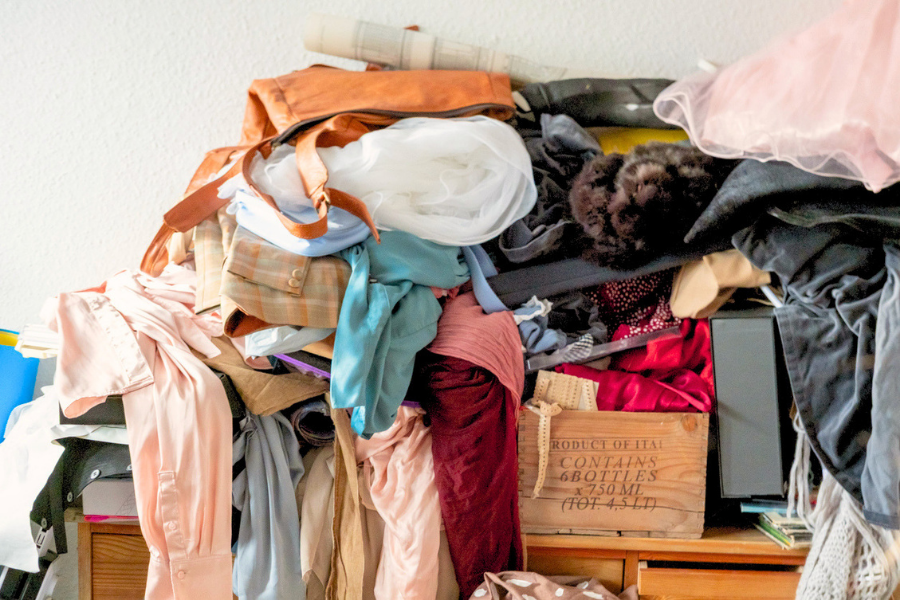
A home can start to feel too small long before you require another bedroom. This can be especially noticeable in an apartment, where there may be no loft for belongings that are used only occasionally.
Apartment living is becoming more common across Belgium. Apartments represented 29.8% of Belgian dwellings in 2026 and two-thirds of additional housing developed in the last 20 years.
Moving to a larger home may solve the problem, but it also brings financial and practical commitments. This guide provides a room-by-room audit, followed by decluttering and storage planning that can help you reclaim useful space without moving.
Start by looking at how you use your space
Walk through your apartment one room at a time. Record how each room is currently used and what gets in the way. Instead of noting “The spare room is cluttered”, state that there are “six boxes, a folded table and two suitcases preventing the room from being used as an office”.
Use these questions for each room:
- Can the room be used for it's intended purpose?
- Which items are used every day or week?
- Which belongings are used only at certain times of year?
- Is the entrance hall being used for shoes, coats, bicycles or deliveries?
- Are belongings blocking a balcony or utility area?
- Could better shelving or cupboard organisation solve the problem?
Printable room-by-room space audit
Working through one room at a time keeps the task manageable. It also prevents belongings from being moved between rooms without addressing the underlying space problem. Measure large items and count boxes as you go. This gives you a clearer picture of the space you could recover and, if you decide to use storage, how much room you may need.
Making space in different regions of Belgium
Brussels - make access part of the storage decision
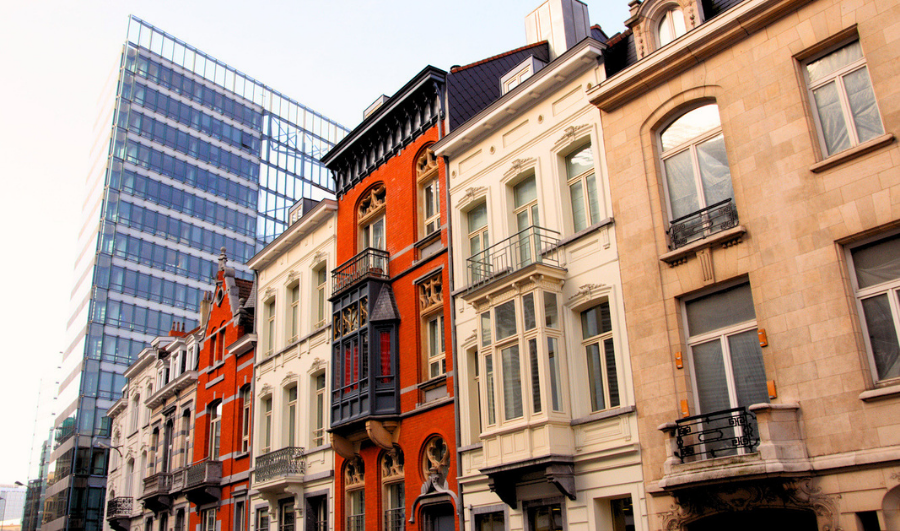
Apartments account for more than six in ten dwellings in the Brussels-Capital Region. If you are choosing storage for an apartment, think about how you'll move belongings between your home and the unit. For seasonal storage that you visit only a few times a year, a longer journey may be manageable.
Flanders: include the extra spaces you already have
Flanders has over 1 million apartments as of 2026, alongside a wider mix of housing. If your home includes a cellar, garage or other storage area, include it in your space audit rather than looking only at the rooms you live in. Decide what can stay there and what is taking up useful space.
Wallonia: separate apartment storage from house overflow
Individual housing remains the majority in Wallonia, so a lack of space can look quite different from one home to another. In an apartment, the priority might be clearing hallways for easier everyday living space. In a house, audit dedicated storage areas like a garage or outbuilding before looking into self storage.
Sort belongings by how often you use them
Once you have completed the audit, sort your belongings according to access frequency. This is more practical than making a single decision about whether everything should stay or go.
Frequently used items
These might include clothes, regularly used kitchen equipment, children’s school supplies or tools needed for ongoing work. If these belongings are currently difficult to access, reorganising with suitable shelving may be enough.
Examples include garden furniture, holiday decorations, fans/heaters and out-of-season clothing. These items are suitable for storage as they remaining unused for much of the year.
Some possessions are worth keeping even if they are used occasionally. A suitcase used several times a year may be better off staying close by, whereas camping equipment used once a year is a strong candidate for self storage.
What to do with items you no longer need
Decluttering should come before choosing a self storage unit. Paying to store belongings you no longer want uses space and increases the amount you need to pack, transport and manage.
Divide unwanted items into three groups:
- Sell: Items that are in good condition and likely to have a worthwhile resale value.
- Donate: Usable possessions that could be accepted by a charity or community organisation.
- Recycle or disposal: Damaged or unsuitable items that cannot be sold or donated.
Collection services, recycling arrangements and accepted items can differ between Brussels, Flanders and Wallonia, and between municipalities.
Set a deadline for completing this stage. Bags marked for donation can easily become another source of clutter if they remain in a hallway for several months.

Compare storage with the full cost of an additional room
Storage is not always cheaper than moving to a larger home. The right comparison depends on your current housing costs, local property prices, how long you expect to need more space and how much you plan to store.
Costs linked to a larger home
Depending on whether you rent or own, these may include:
- higher monthly rent or mortgage payments
- a higher rental guarantee or contribution towards a purchase
- estate agent, administrative or legal costs, and removals
- travel costs if the move changes your regular journeys to work
- the time and disruption involved in finding and moving home
Some of these are one-off costs, while others continue for as long as you live in the property.
Costs linked to storage
Your comparison should include the storage price, alongside any applicable insurance or protection costs for the expected storage period. Think about how convenient transport to and from the facility is - will there be additonal fuel or travel costs to visit when you need an item?
If an ongoing offer is temporary, find out what the cost will be once the promotional period ends. A useful comparison covers at least 12 months, even if you initially expect to store for less time. This will show if the decision could change if your plans continue longer than expected.
Choose a storage unit based on what you will keep
Make a final inventory of everything you intend to store. Include the number of boxes, the dimensions of furniture and any awkwardly shaped equipment. This is also a good time to think about how you'll arrange your belongings. Can furniture be safely dismantled to save room? If you want a smaller storage unit, can you stack your chosen boxes without damaging their contents?
Compare unit size, journey time and access frequency
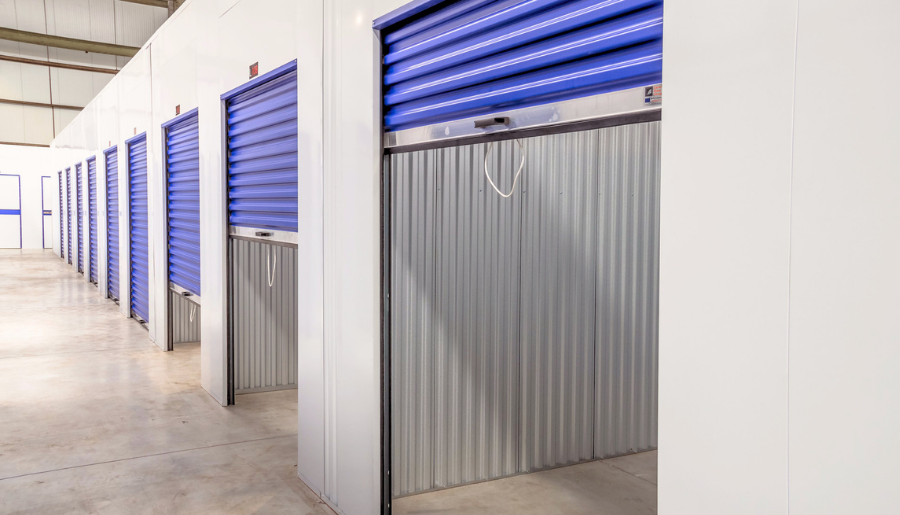
The lowest-priced room won't always be the most practical choice. Compare the space you need with how often you expect to visit.
- Twice-yearly seasonal rotation: A slightly longer journey may be manageable if you only exchange belongings in spring and autumn.
- Monthly access: Prioritise a facility that fits naturally into your regular journeys.
- Frequent access: Check opening hours, entry arrangements, parking or loading access, and the time required to reach your unit.
Pick two suitable room sizes to compare with the help of your chosen provider. Ask about the usable height of the unit, current availability and access arrangements before booking.
Review your self-storage after several months
Set a review date when you place your belongings into storage. Three to six months is usually long enough to see whether the arrangement supports the way you use your appartment.
At the review, ask:
- Have you reclaimed the room or living area you needed?
- How often have you visited the storage unit?
- Are any stored items no longer worth keeping?
Remove items you no longer need and update your inventory. If there is substantial unused space, ask whether another room size could be more suitable. This review prevents what started as a short-term arrangement from continuing without an end point.
Create space before you consider a move
A larger home may still be the right choice if your household needs another room or space for everyday life. But if the main problem is rarely used possessions taking over useful areas, self storage can be a more suitable option.
Complete your room audit and remove what you no longer. You will then be in a better position to compare the cost and disruption of upsizing with the cost and potential limitations of storage. Once you know what you intend to keep, we can help you estimate a suitable storage unit size and find a MySafestore location near you.

