

Moving to and living in Brussels
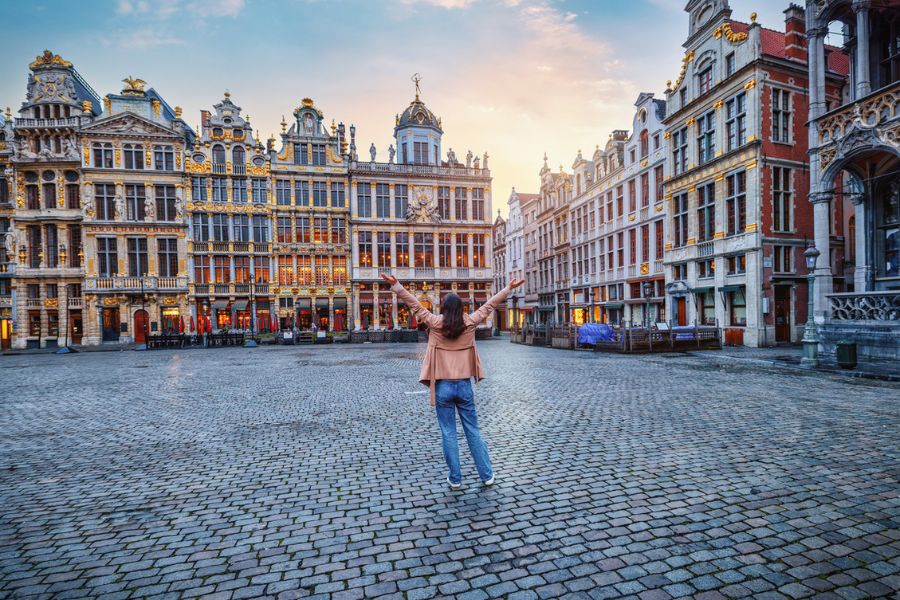
Brussels is one of Europe's most remarkable cities to call home. As the de facto capital of the European Union and home to NATO headquarters, it draws professionals, families, students and expats from across the globe. With more than 35% of its 1.2 million residents holding a non-Belgian passport, it is one of the most international cities in the world - and one of the most welcoming. Whether you are relocating for work, following a partner, or simply looking for a change of scene, moving to Brussels is an exciting step. This guide covers everything you need to know before you arrive.
Why people move to Brussels
Brussels attracts a remarkably diverse range of people. EU officials and lobbyists gravitate towards the European Quarter around Schuman, while young professionals and creatives tend to settle in neighbourhoods like Ixelles and Saint-Gilles. Families are drawn by the excellent international schools, generous parental leave and high quality of life. Entrepreneurs and freelancers appreciate the central location - Brussels sits within two hours of Paris, London, Amsterdam and Cologne by train.
The city is also genuinely cosmopolitan in a way that few European capitals can match. English is widely spoken, particularly in the EU bubble and business world, which makes the early days of settling in considerably less daunting than in cities where local language skills are essential from day one.
Neighbourhoods to consider
Brussels is made up of 19 communes, each with its own character. Here are some of the most popular areas for newcomers:
Ixelles is consistently one of the most sought-after areas, popular with young professionals and EU workers. It has a lively restaurant scene, the beautiful Flagey square, and the Wednesday market at Place du Chatelain which is something of an institution. Rents are higher here but the quality of life reflects it.
Saint-Gilles is bohemian and increasingly trendy, with stunning Art Nouveau architecture, a strong creative community and a more affordable rental market than Ixelles. It suits artists, freelancers and young families well.
Etterbeek sits close to the European Quarter and is well connected, practical and popular with EU staff who want to walk or cycle to work.
Forest is a more affordable commune with a genuine neighbourhood feel - and conveniently, it is home to one of our MySafestore centres on Rue Saint-Denis, which is useful if you need storage space during your move.
Woluwe-Saint-Lambert and Woluwe-Saint-Pierre are quieter, greener residential communes popular with families who want more space and good schools.
Zaventem and Steenokkerzeel are practical choices for those working near Brussels Airport, with good road connections and lower rents than central Brussels. MySafestore has centres in both areas - in Zaventem on Sterrebeekstraat and in Steenokkerzeel at Kalkoven 55.
Cost of living in Brussels
Brussels is not cheap, but it is considerably more affordable than London, Paris or Amsterdam. Here is a realistic picture of what to expect in 2026:
Rent is the biggest monthly outgoing. A one-bedroom apartment in a central neighbourhood like Ixelles or Saint-Gilles typically costs between 1,100 and 1,600 euros per month for a furnished place. Unfurnished apartments are slightly cheaper but require an upfront investment in furniture. Outside the centre, particularly in communes like Forest, Anderlecht or Molenbeek, rents can fall to 800-1,100 euros for a one-bedroom. Belgian rental law requires a two-month deposit, which is worth factoring into your initial budget.
Transport is excellent value. A monthly STIB pass covering the metro, tram and bus network costs around 55 euros in 2026. Many residents also cycle - Brussels has expanded its cycling infrastructure considerably in recent years, and services like Villo! offer affordable shared bikes across the city.
Groceries typically run to 300-400 euros per month for one person, depending on lifestyle.
Healthcare in Belgium is high quality and largely reimbursed once you register with a Belgian health insurance fund (mutuelle), which you should do as soon as possible after arriving. GP visits typically cost 25-35 euros with most of that reimbursed.
Finding a home in Brussels
The Brussels rental market is competitive, particularly for well-located furnished apartments in popular communes. Good properties can go within 24 hours of listing, so it pays to be prepared. Key platforms to use are Immoweb.be and Zimmo.be, which are the main Belgian property portals. Local agencies and expat community groups on Facebook can also be useful sources.
Most landlords require proof of income - typically around three times the monthly rent in salary - along with identity documents and sometimes a Belgian bank account. If you are arriving before you have a fixed address, short-term furnished apartments or co-living options in neighbourhoods like Ixelles and Saint-Gilles are worth considering as a bridge.
One practical tip: start your search three to four weeks before your intended move-in date. That gives you enough time to view properties properly without the pressure of needing somewhere immediately.
Registering in Belgium
Within eight working days of arriving in Belgium, you are legally required to register at your local commune. In practice this process takes longer - expect two to four weeks from start to finish before you receive your national registration number. You will need your passport, proof of address (usually your rental contract or a letter from your landlord), and depending on your situation, documents from your employer.
Your national registration number unlocks access to most Belgian public services, so it is worth prioritising this early in your relocation process.
Self storage during your Brussels move
Moving home - whether across town or across borders - rarely goes exactly to plan. Lease end dates and move-in dates do not always align, and shipping containers have a habit of arriving at inconvenient moments. Self storage during a house move is a practical way to bridge those gaps, keep your belongings safe, and give yourself breathing room to settle in without everything arriving at once.
MySafestore has three storage centres serving the Brussels area:
- MySafestore Forest - Rue Saint-Denis 270, Forest, Brussels 1190
- MySafestore Zaventem - Sterrebeekstraat 163, Zaventem 1930
- MySafestore Brussels Airport - Melsbroek - Kalkoven 55, Steenokkerzeel 1820
All three centres offer secure, flexible storage with access 7 days a week between 6am and 10pm. There is no long-term contract and no deposit required. New customers currently pay just 1 euro for their first month. Find your nearest Brussels centre and get a quote.
Getting around Brussels
Brussels has a well-connected public transport network run by STIB-MIVB, covering the city by metro, tram and bus. The network runs from early morning until late at night and connects all 19 communes effectively. For travel to other Belgian cities, Brussels has three main train stations - Brussels-Central, Brussels-Midi and Brussels-North - with fast connections to Antwerp, Ghent, Bruges and Liege.
Driving in Brussels is generally not recommended for daily commuting. Traffic congestion is among the worst in Europe and parking is expensive. Most newcomers find public transport or cycling more than sufficient for city life.
Food, culture and daily life
One of the great pleasures of living in Brussels is the food scene. The city has a remarkable density of excellent restaurants for its size, from traditional Belgian brasseries serving moules-frites and stoofvlees to international cuisine reflecting the city's cosmopolitan population. The chocolate shops and beer bars need little introduction - Belgium's reputation here is entirely deserved.
Brussels also has a strong cultural offer, with world-class museums including the Royal Museums of Fine Arts, the Magritte Museum and the Art and History Museum at the Cinquantenaire. The city's Art Nouveau architecture is genuinely extraordinary - a walking tour of the buildings designed by Victor Horta is worth an afternoon of anyone's time.
Frequently asked questions about moving to Brussels
Is Brussels a good place to live as an expat?
Yes - Brussels is consistently ranked as one of the most expat-friendly cities in Europe. With more than 35% of its population holding a non-Belgian passport and English widely spoken in professional environments, settling in is considerably easier than in many comparable European capitals.
What is the cost of renting in Brussels in 2026?
A furnished one-bedroom apartment in a central neighbourhood like Ixelles or Saint-Gilles typically costs between 1,100 and 1,600 euros per month. More affordable options are available in outer communes, where rents for a one-bedroom can fall to 800-1,100 euros.
Do I need to speak French or Dutch to live in Brussels?
Brussels is officially bilingual - French and Dutch are both recognised languages. In practice, French dominates in daily life and in most professional environments outside the Flemish institutions. English is very widely spoken, particularly in the EU, corporate and expat communities. Some knowledge of French will help with administration and neighbourhood life, but is not essential from day one.
How do I register when I arrive in Belgium?
You are legally required to register at your local commune within eight working days of arriving. You will need your passport, proof of address and depending on your situation, documents from your employer or institution. The process typically takes two to four weeks in total. Your national registration number is required to open a bank account and access most public services.
Can I use self storage during my move to Brussels?
Yes - self storage is a practical solution during any house move, particularly when lease dates do not align or you are waiting for belongings to arrive from abroad. MySafestore has three centres serving the Brussels area in Forest, Zaventem and Steenokkerzeel, all offering flexible storage with no long-term contract. New customers pay just 1 euro for their first month.

